
Web Design Services
Custom design, pixel-perfect, responsive, made for you.
Our Design Philosophy: Identity Made Visible
We craft visual experiences from human needs to discover why your solution fits, delivering unmatched ease at every turn.
True design begins long before the first pixel is drawn or the code editor opens; it starts with an intimate understanding of human ambition. Influenced by the pioneering brand philosophy of Wally Olins, we believe that a brand is not just what you say you are, but the living expression of what you actually do and stand for. Our ethos centers on capturing your dreams, your unique organizational ethos, and your deep aspirations for the future. We immerse ourselves in your perspective so that absolute transparency, authenticity, and purpose flow naturally into every visual touchpoint, ensuring your digital presence speaks directly to the hearts and minds of your audience.
Bringing that vision to life requires a meticulous, collaborative journey from concept to reality. We begin with discovery kick-off sessions to map your operational demands, strategic goals, and market positioning. From there, we translate abstract ambitions into picturesque, endearing prototypes and functional minimum viable products (MVPs). Through iterative feedback and structured brainstorming, we refine the architecture until every interaction feels effortless and harmonious. This technical rigor is matched with elegant aesthetic styling, blending robust engineering with breathtaking beauty to create a digital experience that feels both enduring and alive.
We design the clients journey from human needs to intuitive solutions, bringing absolute convenience to your online presence."
The ultimate deliverable is a precision-crafted digital ecosystem built to scale with your enterprise. Whether you require bespoke custom themes, striking corporate logos, high-converting single-page client capture engines, or fully integrated e-commerce architectures, every piece is tailored to fit your identity with absolute mathematical and artistic precision. We deliver systems that do not merely look impressive on launch day, but continue to perform, captivate, and drive business growth seamlessly for years to come.
>Guiding every digital venture from human needs to your exact solution — with effortless ease.
SpiralMoon's Portfolio
A collection of web design projects, crafted with care, soul and enthusiasm. 🌀🌙


Holland Motor Sport
A cars and motor parts selliong platform crafted with WordPress and Woocommerce.
HollandMotorSport.com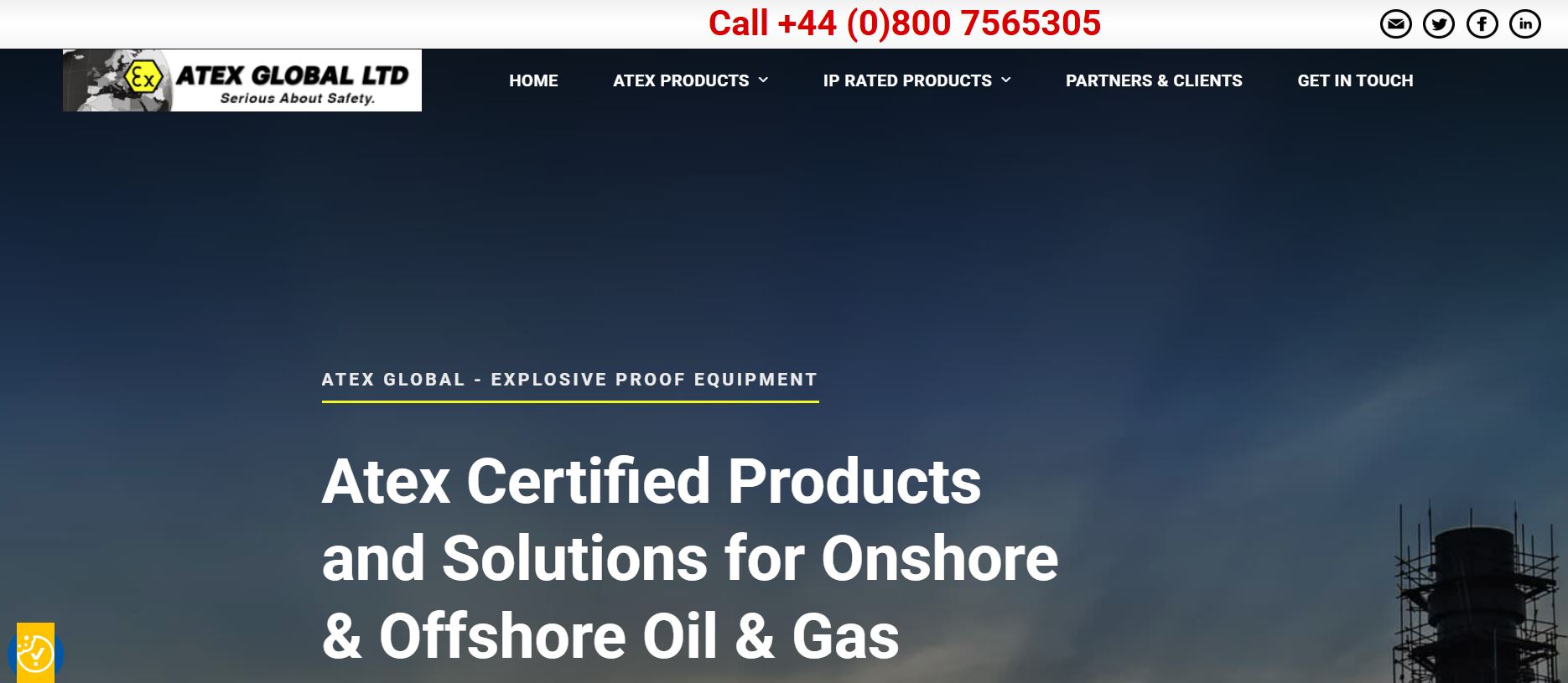



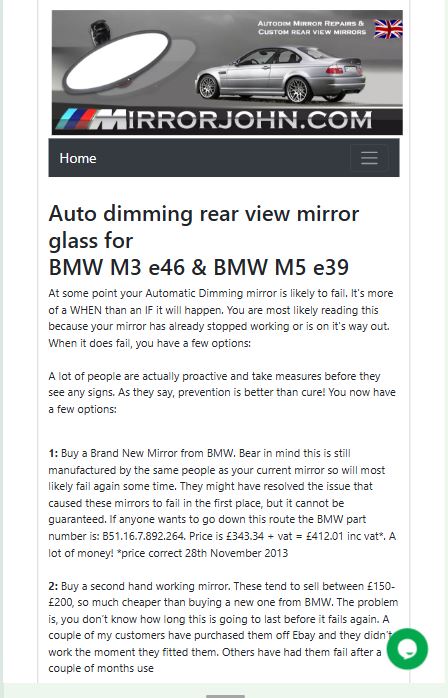
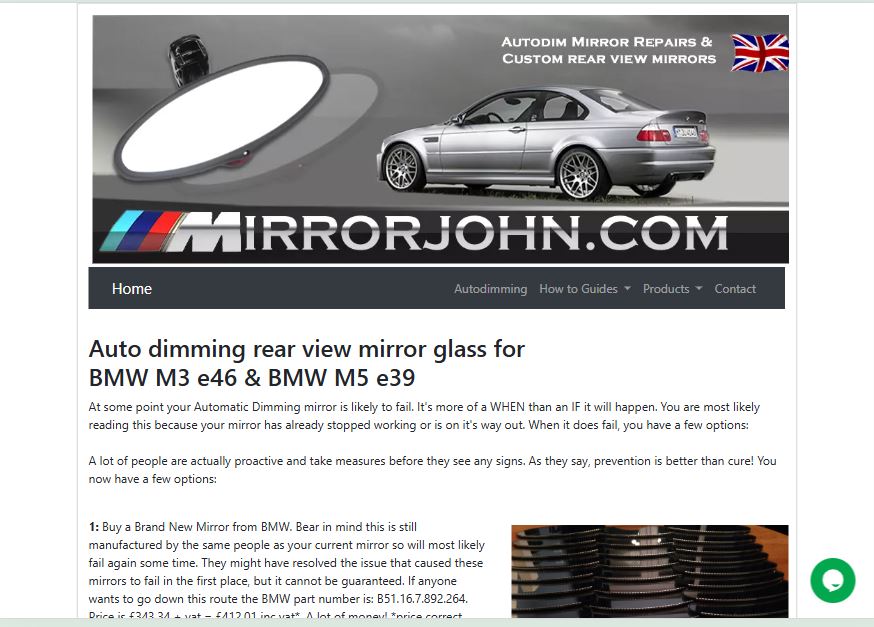
MirrorJohn
This E-commerce platform selling Automotve Parts, payments crafted through paypal.
MirrorJohn.com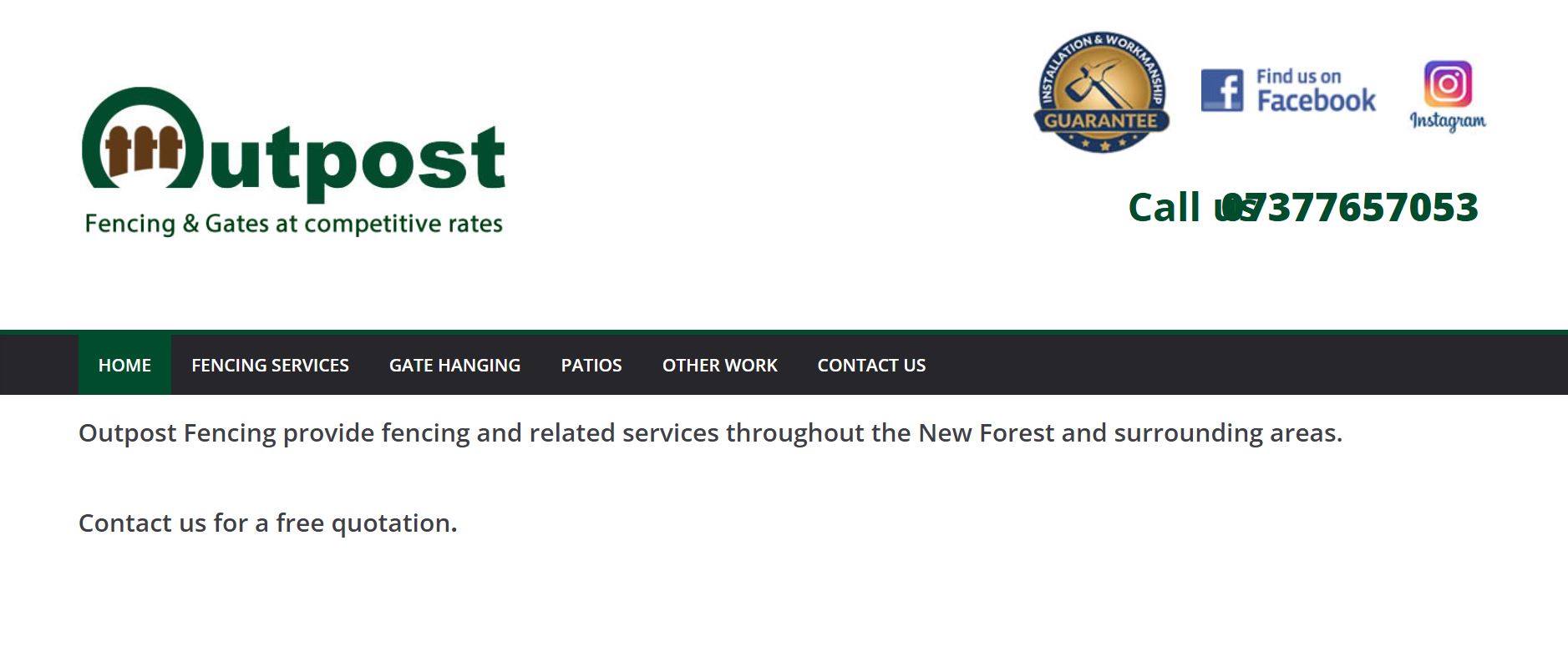
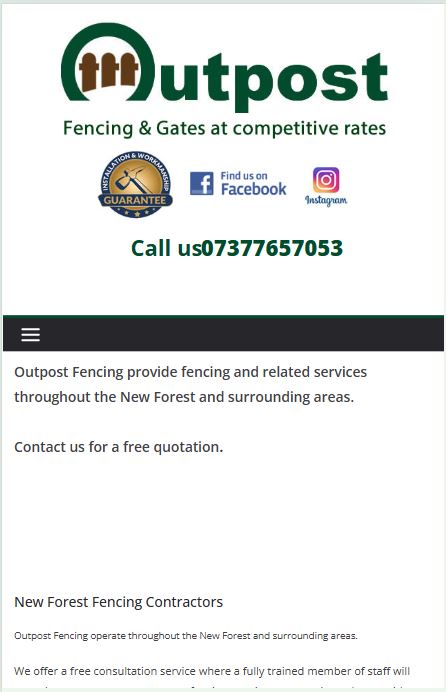
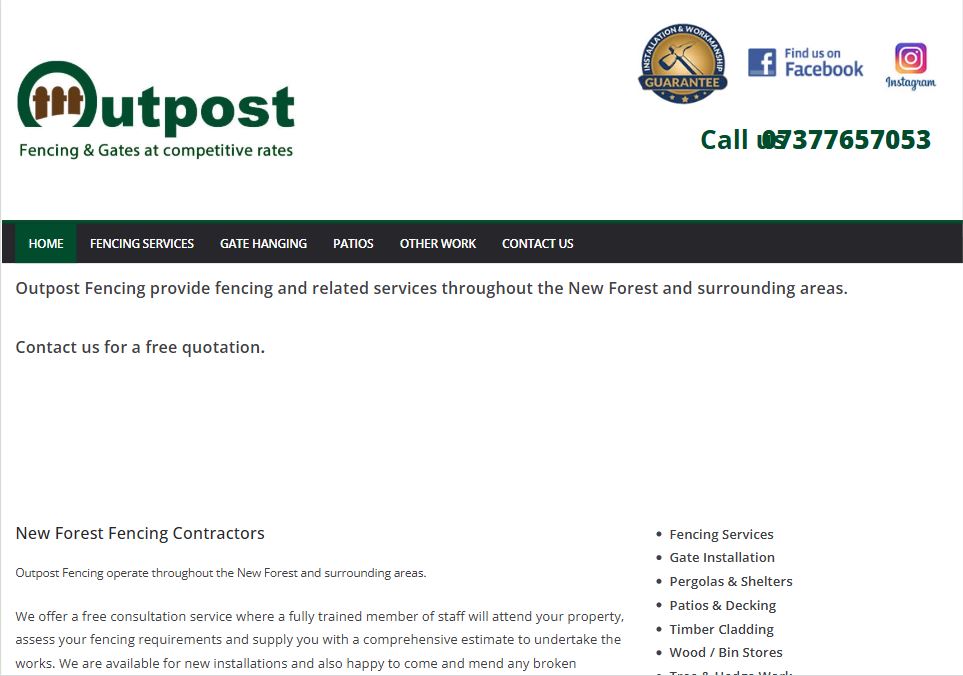
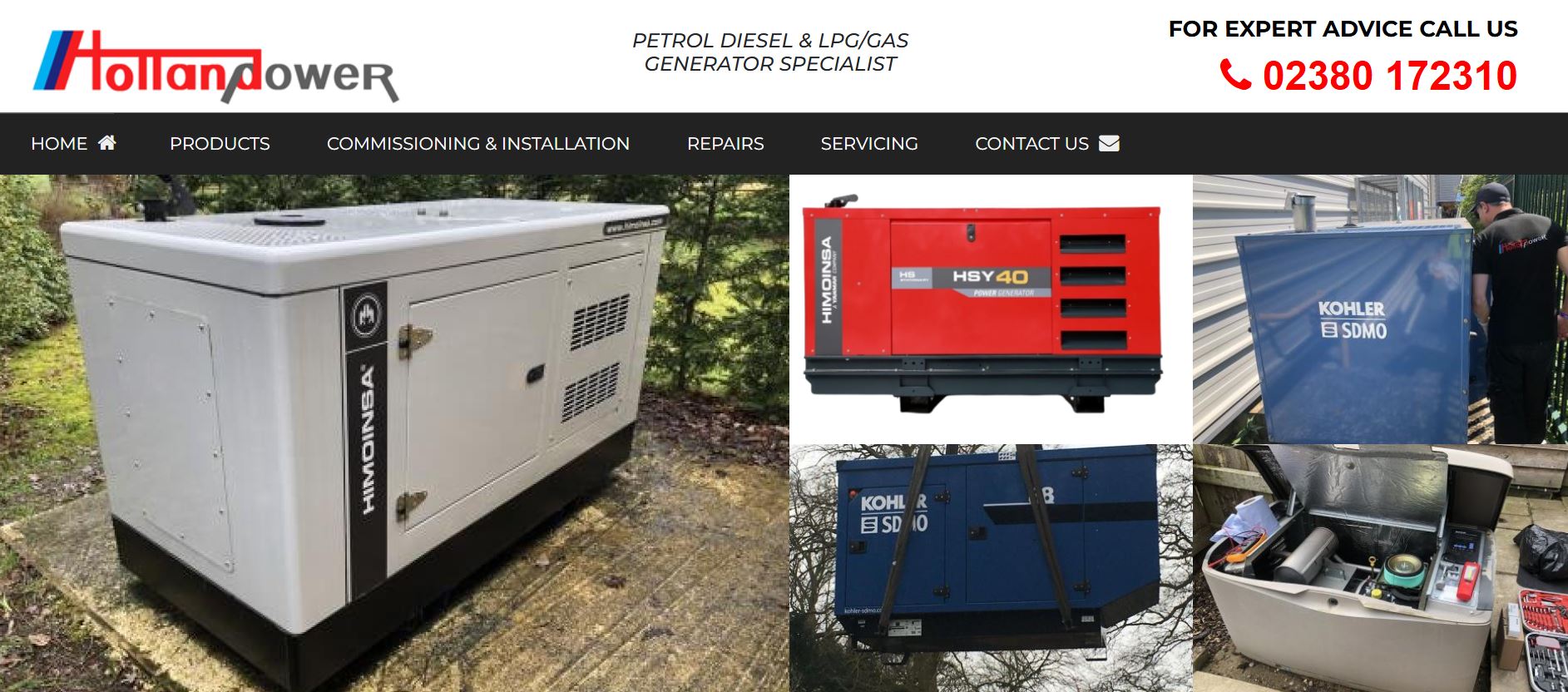
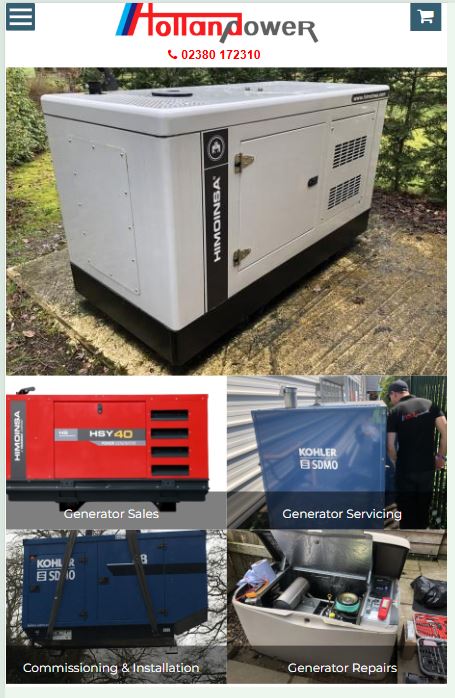
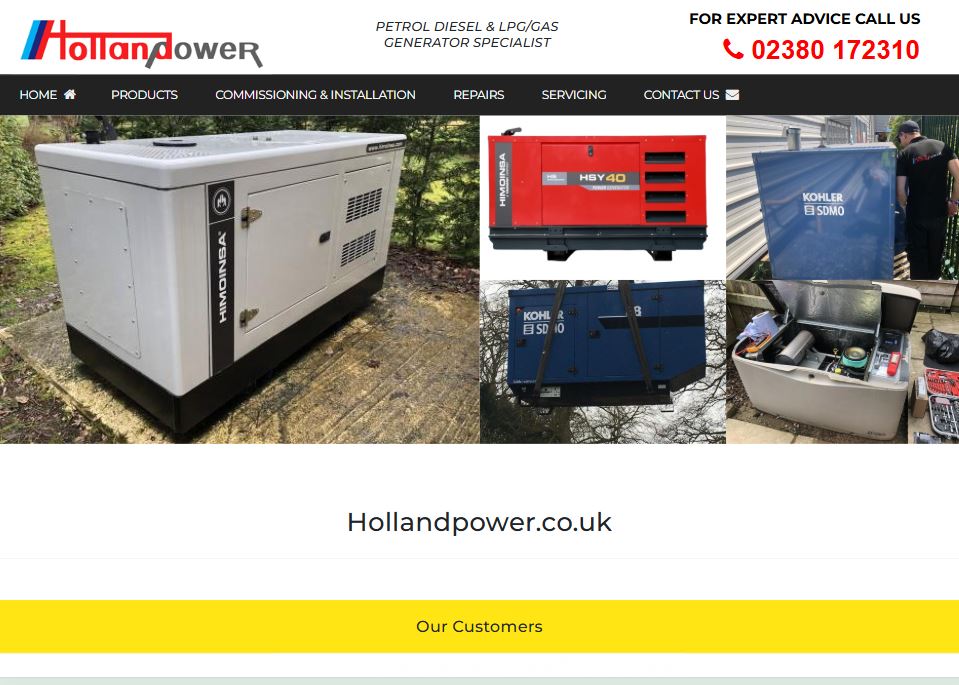
Holland Power
Generator Servicing and generator sales for the tool & energy industry.
HollandPower.co.uk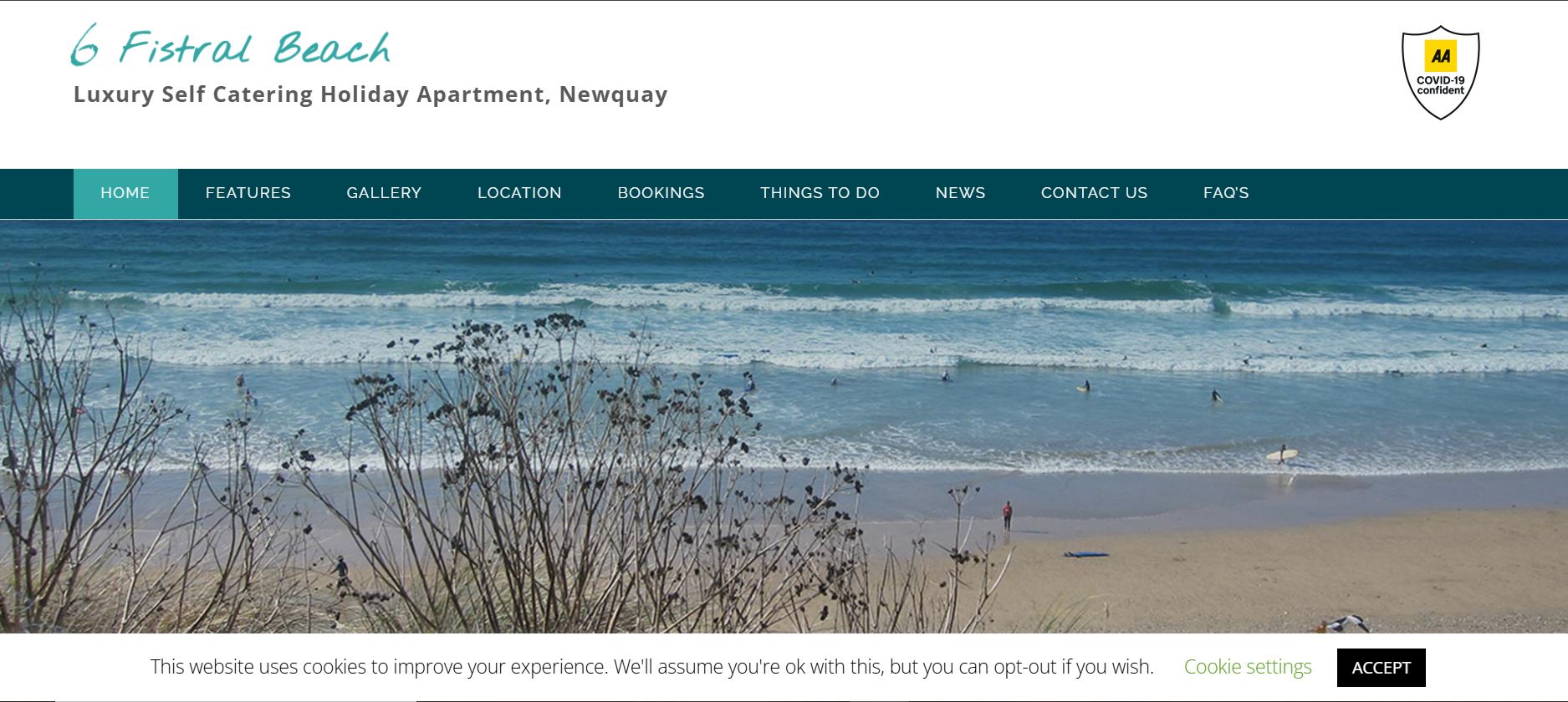
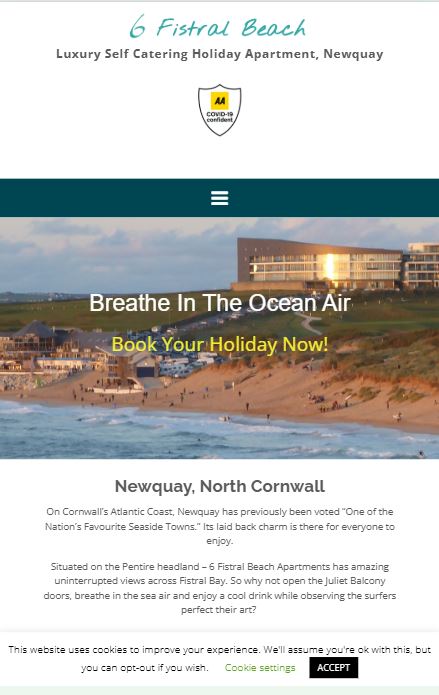
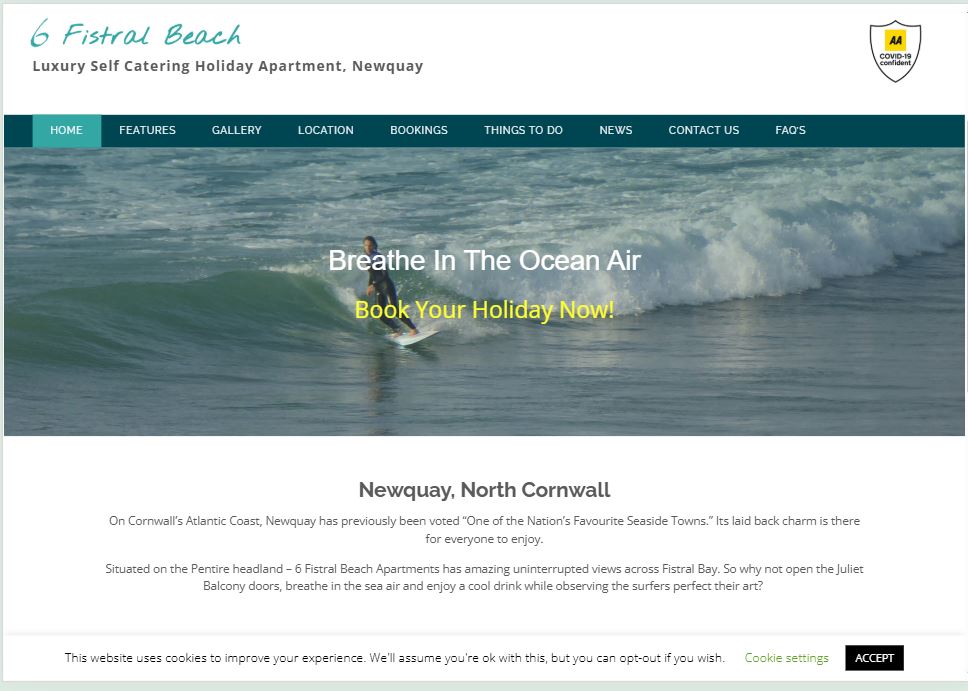
Things You Should Consider Before We Begin
Great digital architecture is built on foresight, clarity, and intentional planning. Before a single line of code is written or design asset is finalized, these are the seven foundational pillars we weigh together to ensure your project succeeds.
1.Brand identity Document
brand identity document (brand style guide, brand bible or branding guidelines) This document or manual defines how a company presents itself to the world. It serves as the single source of truth for a brand's visual assets, messaging, and core values to ensure total consistency across every touchpoint
- Ensures Absolute Consistency: It prevents a brand from looking disjointed. Whether a customer looks at an Instagram post, a billboard, or an invoice, the brand feels identical.
- Builds Trust and Recognition: Consistency breeds familiarity. When an audience instantly recognizes a brand's colors or voice, it builds consumer trust and professional authority.
- Saves Time and Money: It eliminates guesswork for designers, writers, and external agencies. Teams do not have to reinvent the wheel for every new marketing campaign.
- Streamlines Onboarding: When new employees or freelancers join a company, handing them this document gets them up to speed instantly on how to represent the business.
- Protects Brand Equity: It sets strict rules against stretching logos, using wrong colors, or adopting an inappropriate tone, preventing the dilution of the brand's image.
What it includes:
- Brand Strategy (The Foundation): The core vision of your company and guiding principles that drive the decisions, goals and culture of your business.
- Visual Identity (The Look):Detailing the precise rules for visual assets; logos & logo guidelines, submarks, logo no no's, colour palettes, typography, imagery style, layouts and grids.
- Verbal Identity (The Voice):This section ensures that the company sounds the same across all written communication. This includes details about; one of Voice, Brand Vocabulary, (preferred words, phrases, and industry terminology) and Grammar and Style Rules.
2. Business goals documents; Problem definition, Project Scope, Technical Specification
When a designer skips this step, they are essentially drawing in the dark. Nailing these three elements down first aligns everyone’s expectations and turns design from a subjective guessing game into an objective problem-solving tool.
- Problem Definition: Designing for Impact, Not Just Aesthetics: Provides a agreement between client and designer, which in turn prevents "Pretty but useless design" - that fails to solve the clients needs. Understanding the problem provides a clear goal that ensures the very first wireframes and mock ups are built with the clients business needs in mind.
- Scope: Protecting Time, Budget, and Sanity : The scope answers the question: “What exactly is included in this project, and what is left out?”. This Prevents Scope Creep and esnures the quote relfect the actual depth of the proposed work. Knowing the boundaries before the desings are created will give the client and accurate timeline and prevent unnecessary financial constraints.
- Specification: Setting the Technical Boundaries: The specification answers the question: “What are the technical constraints and requirements we must follow?”. It helps us with design decisions making and informs us on must haves and features that are pre defined by desired target audiences, used frameworks and systems (e.g Shopify, WordPress)
3. Content, Photography, and Media Sourcing
Content, photography, and video assets form the core substance of your digital ecosystem. A beautiful layout means nothing without high-quality copy and media to fill it. Understanding where these assets come from before the design stage prevents awkward placeholders and ensures the layout is built around your actual message, rather than generic templates.
- Client-Provided Assets: This includes your internal copy, product photos, staff headshots, and existing brand videos. Delivering these early ensures the layout matches your genuine business scale.
- Stock Media Integration: High-quality stock photography, vectors, and background video loops can be curated by the designer to establish a polished, professional look without the cost of a full production.
- Professional Photography Services: Arranging bespoke photo sessions for your team, products, or physical premises ensures your imagery is unique, high-resolution, and perfectly aligned with your brand's atmosphere.
- Video Creation Services: Producing custom promotional clips, motion graphics, or background loops captures user attention quickly and dramatically lowers bounce rates on key landing pages.
- Custom Graphic Design: Creating tailored icons, infographics, and illustrations from scratch helps present complex data or services in an easily digestible, visually stunning way.
What it includes:
- Asset Management Plan: A clear checklist establishing which media files you already own, which ones need to be purchased, and who is responsible for creating them.
- Media Quality Standards: Technical guidelines for file formats, resolutions, and aspect ratios to ensure that your images and videos look crisp across all monitors without slowing down page load times.
- Copywriting Strategy: Mapping out the text hierarchy (headings, taglines, body copy) so that the messaging fits the visual blocks perfectly on launch day.
4. Templating & Wireframing
Templating and wireframing form the architectural blueprint of your website. Before injecting color, typography, or images, we strip the design back to its bare bones to map user journeys and structural layouts, ensuring the transitions between pages feel entirely natural and seamless.
- Eliminates Structural Surprise: You get to see exactly where your navigation buttons, text, and media elements will live before any heavy development or aesthetic styling takes place.
- Optimises User Journeys: We map out the exact path a user takes from entering the home page to completing a conversion (like making a purchase or filling out a contact form) to reduce frictional drop-off.
- Streamlines Multi-Page Consistency: Reusable page structures and global layouts ensure that jumping from a blog post to an item page feels familiar and intuitive to the visitor.
- Saves Dev Revision Time: It is vastly faster and cheaper to move a layout block around in a grayscale mockup than it is to rewrite fully developed web code later in the project.
What it includes:
- Low-Fidelity Wireframes: Simple, monochromatic structural sketches focused strictly on the layout, element placement, and user interaction mechanics.
- Interactive UI Prototypes: Clickable, clickable screen transitions that simulate how users navigate from section to section, proving the natural flow of the design.
- Component Design Systems: Creating modular blocks (such as headers, footers, forms, and cards) that can be easily repurposed to scale the site up in the future.
5. Accessibility (WCAG Compliance)
Web accessibility means designing digital spaces so that everyone, regardless of physical or cognitive ability, can navigate them. Building a site with accessibility in mind isn't just about moral responsibility or legal safety; it expands your reach to a massive segment of internet users who rely on assistive technologies.
- Expands Market Reach: Millions of web users browse with screen readers, keyboard navigation, or specific contrast adjustments. Making your site accessible opens your digital storefront to everyone.
- Boosts Search Engine Rankings: Search engine crawlers view websites in a similar way to screen readers. Clean, structured, and fully semantic code naturally boosts your algorithmic SEO performance.
- Improves Everyday Usability: Features like clear text contrast, readable fonts, and intuitive form validations don't just help impaired individuals—they create a better experience for your average user.
- Ensures Legal and Ethical Safety: Adhering to Web Content Accessibility Guidelines (WCAG) keeps your company aligned with modern compliance regulations, protecting your digital equity.
What it includes:
- Text Contrast Analysis: Ensuring a high contrast ratio between your background colors and typography so everything remains completely legible under any lighting condition.
- Screen Reader Optimisation: Structuring backend HTML tags (like ARIA labels, descriptive image alt text, and logical headers) so audio screen readers can translate the layout correctly.
- Keyboard Navigation Support: Designing the site architecture so users can navigate menus, links, and forms flawlessly using only a keyboard tab flow.
6. Diversity, Inclusion, and Device Optimisation
A modern digital presence must be built to welcome a global audience across every conceivable hardware setup. True inclusivity means ensuring your imagery and copy resonate with diverse human experiences, while technical optimisation ensures the design looks spectacular whether viewed on a flagship smartphone or an old desktop monitor.
- Fosters Human Connection: Incorporating inclusive imagery and language in your core presentation ensures that your audience feels represented, respected, and welcomed by your brand.
- Guarantees Responsive Fluidity: Layouts must dynamically transform to fit massive desktop displays, tablets, or small mobile screens perfectly without breaking the visual grid.
- Adapts to Low-Bandwidth Realities: Lightweight design systems ensure that pages load lightning-fast for users browsing on weak mobile data connections or older hardware.
- Maintains Cross-Browser Fidelity: Rigorous testing ensures your design works perfectly across all major browsers, including Safari, Chrome, Edge, and Firefox.
What it includes:
- Responsive Fluid Grids: Coding layouts using flexible dimensions and breakpoints so that elements automatically shift and resize based on screen real estate.
- Inclusive Asset Guidelines: Selecting imagery, graphics, and messaging strategies that intentionally speak to a balanced, multi-faceted target demographic.
- Performance Optimization Metrics: Implementing modern file compression, vector iconography, and efficient code styling to minimize layout weight and download latency.
7. Search Engine Optimisation (SEO) Integrated Design
SEO is not an afterthought to slap onto a website after it is built; it must be baked directly into the visual and technical design. A gorgeous website is only useful if your target audience can actually find it on Google. Designing with search engine logic in mind ensures high visibility from day one.
- Maximises Initial Search Visibility: Structuring your layout around key search queries means search engine bots can instantly index your pages for your primary business keywords.
- Accelerates Page Speeds: Google heavily rewards fast websites. Integrating lightweight code systems, optimized images, and efficient rendering trees directly translates to higher ranks.
- Builds Clear Site Architecture: Creating clear, nested navigation menus helps search engines understand the thematic relationship between your services, boosting your overall site authority.
- Lowers Interactive Bounce Rates: Intuitive UX design keeps real human eyes on your page longer, sending powerful structural signals to algorithms that your site offers genuine value.
What it includes:
- Semantic HTML Hierarchy: Organizing layout text using structured heading tags (H1, H2, H3) so search engines can read the explicit thematic structure of your pages.
- Core Web Vitals Blueprint: Designing layouts that prevent unexpected layout shifts (CLS) and promote rapid largest contentful paint (LCP) speeds.
- Sitemap and URL Layout: Mapping out a clean, logical file structure that provides search engines with a crystal-clear crawling directory of your entire web system.